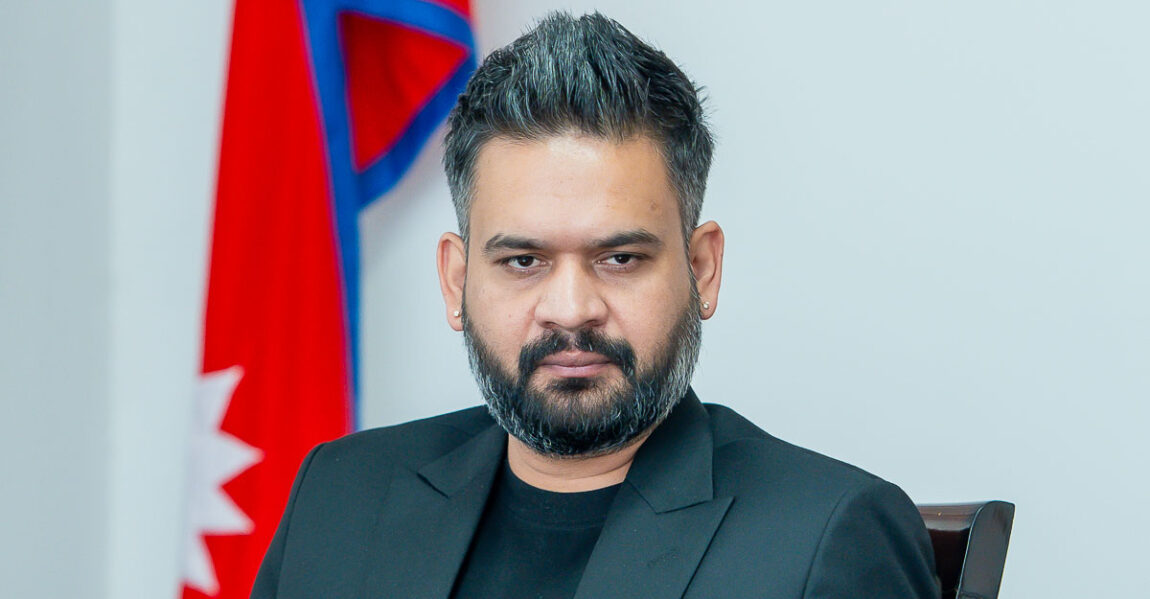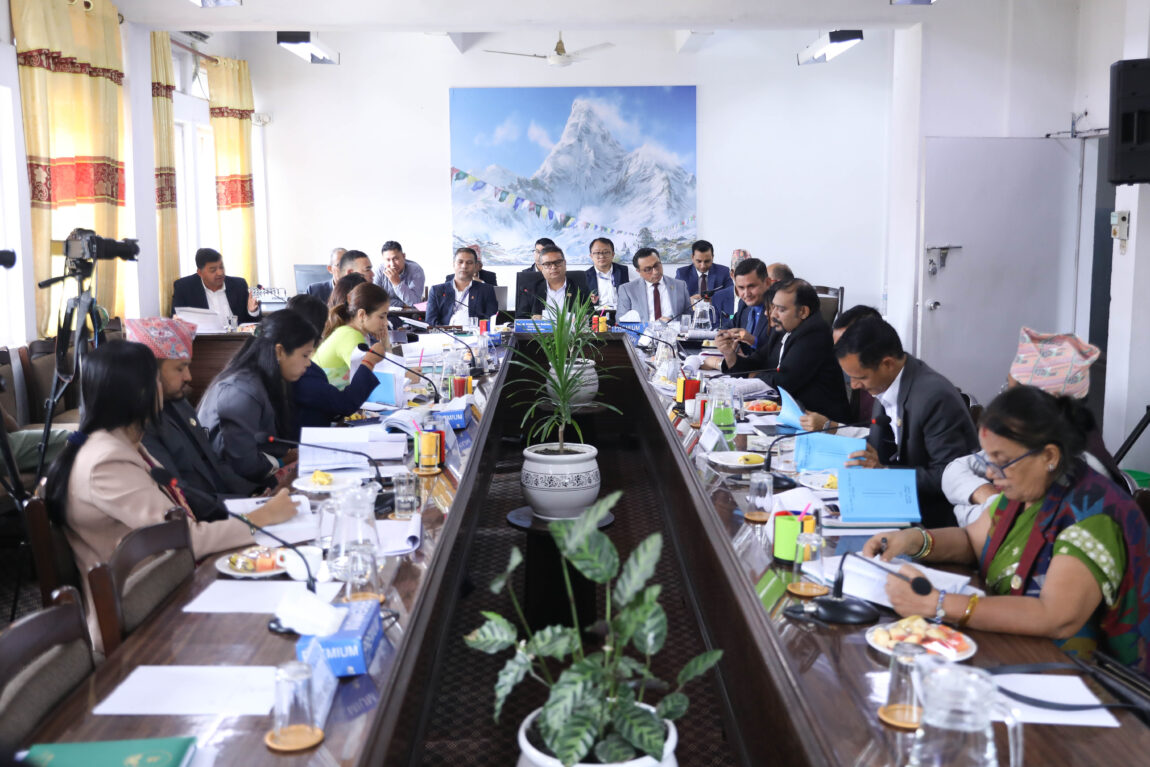

Prime Minister Balen Shah’s decision to stay absent during the government’s “Policy and Program” discussion and avoid immediately responding in Parliament was not accidental. It looked like a masterfully manufactured strategic move.
From the very beginning, Balen’s PR team has carefully positioned him as a leader who “speaks less and works more.” That image has now become one of the strongest parts of his political branding.
The situation became more interesting after Routine of Nepal Banda initially posted that the Prime Minister himself would answer in Parliament, but later updated the post saying economist and leader Swarnim Wagle would respond instead.
According to Bhandari, that confusion was likely intentional. The goal was to create desperation and curiosity among the public – making people continuously ask, “When will Balen finally speak?”
The strategy appears to have worked. Parliament’s live session tomorrow is now expected to become one of the most watched political broadcasts in recent times.
The opinion further argues that Balen will likely appear in Parliament, deliver a short and sharp speech, and drop a powerful punchline similar to “People who work don’t talk too much,” indirectly targeting traditional political parties.
It also claims that once he speaks, supporters on social media will quickly turn the moment viral, presenting it as another example of Balen’s “political power.”
According to the writer, Balen’s entire anti-establishment image has been heavily shaped through digital optics and perception management. Even his earlier aggressive statements against Singha Durbar appeared less like emotional reactions and more like calculated political branding.
The article concludes that modern politics is no longer only about ideology. It has now become a battle of perception management, algorithms, emotional branding, and digital influence.





Gaurav Bhandari
प्रतिक्रिया
सम्बन्धित खवर